Sustainable industrial development is no longer a buzzword—it’s a necessity. As global demand for goods continues to rise, industries face increasing pressure to produce efficiently while minimizing environmental harm and supporting social well-being. The challenge is clear: how can industries grow without exhausting natural resources or damaging ecosystems?
What is Sustainable Industrial Development?
Sustainable industrial development refers to the transformation of industrial processes, systems, and practices in ways that balance economic growth, environmental protection, and social equity. It aims to ensure that industrial progress today does not compromise the ability of future generations to meet their needs.
This concept aligns closely with global initiatives such as the United Nations’ Sustainable Development Goals (SDGs), particularly Goal 9: Industry, Innovation, and Infrastructure.
Why It Matters
Industrialization has historically been a driver of economic growth, but it has also contributed significantly to pollution, climate change, and resource depletion. Sustainable industrial development addresses these issues by:
- Reducing carbon emissions and environmental degradation
- Promoting efficient use of energy and raw materials
- Encouraging innovation and green technologies
- Improving working conditions and social inclusion
Without sustainable practices, industries risk long-term instability due to resource scarcity, stricter regulations, and shifting consumer expectations.
Key Principles of Sustainable Industry
1. Resource Efficiency
Industries must use fewer resources to produce more. This includes minimizing waste, recycling materials, and optimizing supply chains.
2. Clean Energy Transition
Switching from fossil fuels to renewable energy sources like solar, wind, and hydropower reduces greenhouse gas emissions and dependence on non-renewable resources.
3. Circular Economy
Instead of the traditional “take-make-dispose” model, a circular economy promotes reuse, repair, remanufacturing, and recycling to extend product lifecycles.
4. Technological Innovation
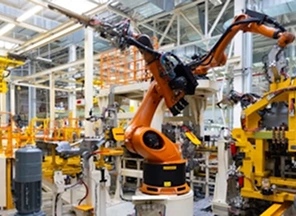
Advanced technologies such as automation, AI, and smart manufacturing help improve efficiency and reduce environmental impact.
5. Social Responsibility
Sustainable industries prioritize fair wages, safe working conditions, and community development.
Real-World Examples
Many companies are already adopting sustainable practices:
- Tesla focuses on clean energy solutions and electric vehicles to reduce reliance on fossil fuels.
- Unilever has committed to sustainable sourcing and reducing plastic waste.
- Siemens invests heavily in energy-efficient infrastructure and smart industrial systems.
These examples show that sustainability and profitability can go hand in hand.
Challenges to Implementation
Despite its benefits, sustainable industrial development faces several challenges:
- High initial investment costs
- Lack of awareness or expertise
- Resistance to change within traditional industries
- Inconsistent government policies and regulations
Developing countries, in particular, may struggle to balance economic growth with sustainability goals due to limited resources.
The Role of Governments and Policy
Governments play a critical role in enabling sustainable industry through:
- Environmental regulations and standards
- Incentives for green technologies
- Investment in research and development
- International cooperation and agreements
Policies that support sustainability can accelerate the transition across entire sectors.
The Way Forward
Sustainable industrial development is not optional—it is essential for long-term prosperity. Industries must rethink their production models, embrace innovation, and prioritize environmental and social responsibility.
Collaboration between governments, businesses, and consumers will be key to achieving this transformation. By making conscious choices today, we can build industries that are not only productive but also sustainable and resilient.
Conclusion
The future of industry lies in sustainability. As the world faces growing environmental and social challenges, adopting sustainable industrial practices offers a path toward balanced growth. It ensures that economic progress does not come at the expense of the planet or people.
Sustainable industrial development is, ultimately, about creating a better world—one where industry thrives in harmony with nature.